
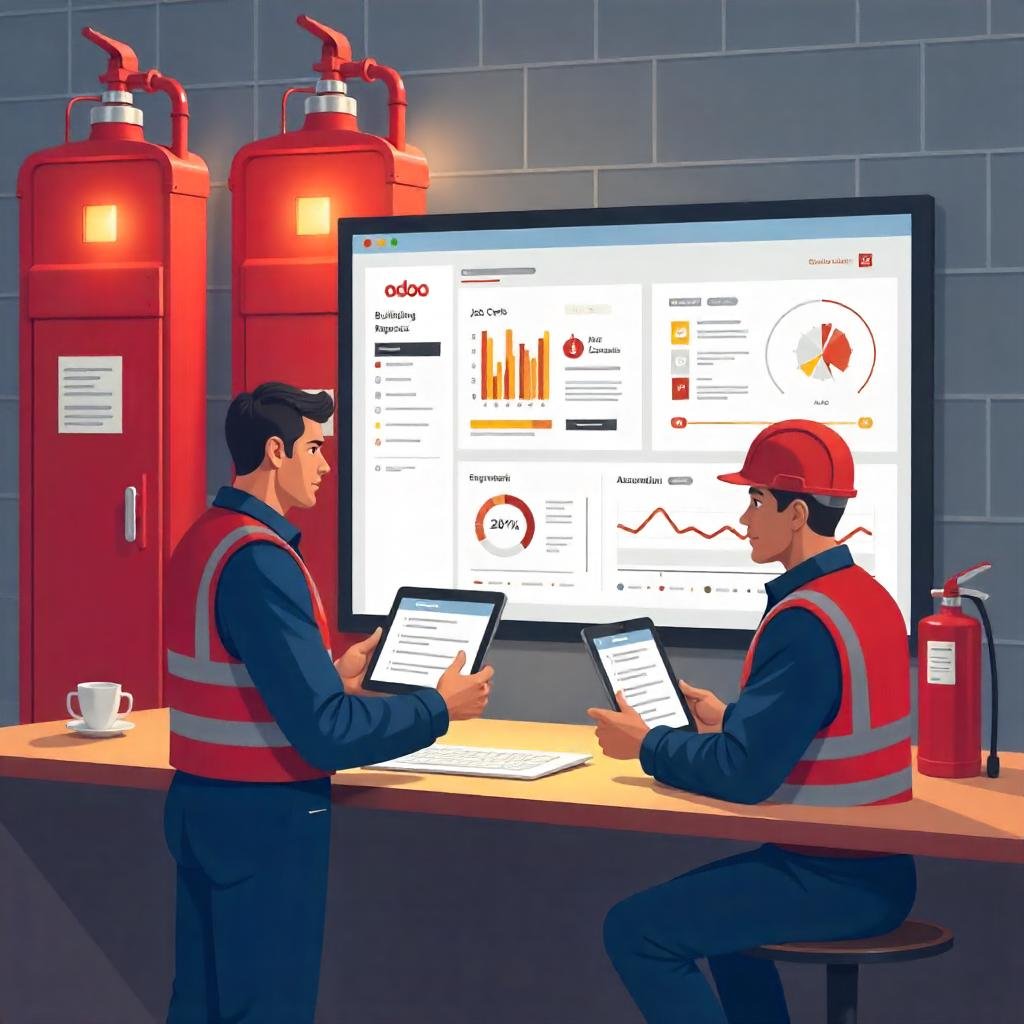
Fire safety is a critical part of every residential, commercial, industrial, and high-rise construction project in Dubai. From fire alarm systems and sprinklers to fire pumps, emergency lighting, and other life-safety systems, accurate planning is essential for both compliance and project cost control.
This is where Fire Safety Estimation Management in Dubai plays an important role.
Fire safety estimation involves identifying the required fire protection systems, calculating quantities, evaluating material and installation costs, and preparing an accurate budget for the project. Effective estimation helps contractors, consultants, developers, and building owners reduce cost overruns while ensuring that the proposed systems meet applicable fire and life-safety requirements.
Dubai’s fire safety framework is overseen by the Dubai Civil Defence General Command (CDGC), with requirements covering preventive safety, fire prevention, detection, alarm, suppression, and related systems. Dubai’s current legislation also requires owners to maintain fire prevention systems and comply with applicable preventive safety requirements.
What Is Fire Safety Estimation Management?
Fire safety estimation management is the systematic process of determining the materials, equipment, labour, installation requirements, and associated costs needed for fire protection and life-safety systems.
A professional estimation may cover systems such as:
- Fire alarm systems
- Automatic sprinkler systems
- Fire hydrant systems
- Fire hose reels
- Fire pumps
- Fire water tanks
- Fire extinguishers
- Emergency lighting
- Exit signage
- Smoke detection systems
- Gas detection systems
- Kitchen fire suppression systems
- Passive fire protection
- Fire-rated doors and barriers
- Fire stopping systems
- Fire suppression systems for specialized applications
The estimator studies the project’s drawings, specifications, schedules, and design requirements before developing quantities and costs.
Why Is Fire Safety Estimation Important in Dubai?
Accurate estimation is important because fire protection systems can represent a significant portion of a building’s MEP and safety requirements.
1. Better Cost Control
A detailed estimate provides contractors and developers with a realistic understanding of expected project costs. It helps reduce unexpected expenses during procurement and installation.
2. Accurate Material Quantities
Incorrect quantities can result in material shortages, delays, or unnecessary purchasing. Professional quantity takeoffs help determine the required quantities before procurement.
3. Improved Tender Preparation
Contractors can use accurate fire protection estimates when preparing competitive tenders and quotations. A detailed estimate makes it easier to compare supplier and subcontractor prices.
4. Compliance Planning
Fire safety estimation should consider the applicable UAE Fire and Life Safety Code of Practice and relevant Dubai Civil Defence requirements. The UAE Fire & Life Safety Code is intended as a reference for contractors, consultants, and other concerned parties implementing Civil Defence safety requirements.
5. Reduced Project Risk
Errors in fire protection quantities, specifications, or pricing can create significant financial and scheduling risks. Estimation management helps identify these issues at the planning stage.
Major Components of Fire Protection Estimation
A comprehensive fire protection estimation in Dubai generally includes several major components.
Fire Alarm System Estimation
Fire alarm estimation may include:
- Addressable fire alarm panels
- Smoke detectors
- Heat detectors
- Manual call points
- Sounders
- Strobes
- Modules
- Fire alarm cables
- Conduits and containment
- Interface panels
- Batteries and power supplies
Depending on the building type and applicable requirements, alarm systems may also need integration with other building systems.
Dubai Civil Defence has specifications for life-safety alarm monitoring, including requirements involving fire alarm systems, fire pumps, fire-water tank monitoring, lifts, and gas detection for applicable building categories.
Fire Fighting System Estimation
Fire fighting estimation can include:
- Fire pumps
- Jockey pumps
- Electric and diesel pumps
- Fire water tanks
- Hydrant systems
- Hose reels
- Breeching inlets
- Fire department connections
- Valves
- Pipes and fittings
- Pressure gauges
- Flow switches
- Test and drain assemblies
The estimator must calculate pipe lengths, fittings, valves, equipment, supports, accessories, and installation requirements.
Sprinkler System Estimation
Automatic sprinkler estimation typically includes:
- Sprinkler heads
- Branch pipes
- Main distribution pipes
- Control valves
- Alarm check valves
- Flow switches
- Test and drain arrangements
- Hangers and supports
- Pipe fittings
- Drainage connections
The quantities depend on building occupancy, design requirements, floor area, hazard classification, ceiling arrangement, and the approved design.
Passive Fire Protection Estimation
Passive fire protection is another important part of fire safety estimation.
It may include:
- Fire-rated walls
- Fire-rated doors
- Fire stopping
- Fire barriers
- Penetration sealing
- Fire-rated shafts
- Fire-resistant coatings
- Curtain wall fire barriers
- Protected service openings
Dubai Civil Defence requirements also address passive fire protection alongside detection, alarm, and suppression systems.
Fire Safety Estimation Process in Dubai
A structured estimation process helps improve accuracy and consistency.
Step 1: Review Project Drawings
The estimator begins by reviewing architectural, MEP, fire protection, and other relevant drawings.
Important information includes:
- Building area
- Number of floors
- Basement levels
- Building height
- Occupancy type
- Fire compartments
- Plant rooms
- Fire pump rooms
- Water tank locations
- Fire exits
- Equipment locations
Step 2: Review Specifications
Project specifications provide information about approved materials, equipment standards, installation requirements, testing, and commissioning.
The estimator should compare the drawings with specifications to identify discrepancies before preparing the final estimate.
Step 3: Perform Quantity Takeoff
The estimator measures and calculates quantities for pipes, fittings, valves, equipment, devices, cables, supports, and other materials.
Modern estimating software and digital takeoff tools can make this process faster and reduce manual errors.
Step 4: Prepare Material Costing
Once quantities are established, current supplier and subcontractor prices can be applied.
Costing may include:
- Material cost
- Equipment cost
- Labour
- Installation
- Testing and commissioning
- Transportation
- Equipment rental
- Consumables
- Overheads
- Profit
- Contingency
Step 5: Check Compliance Requirements
The estimate should be reviewed against the applicable fire and life-safety requirements and project-specific authority requirements.
Dubai Civil Defence is responsible for preventive safety measures and oversight of fire prevention, protection, detection, alarm, and firefighting systems.
Step 6: Prepare the Final Estimate
The final estimate should clearly show quantities, unit rates, total costs, exclusions, assumptions, and other relevant commercial information.
Factors Affecting Fire Safety Estimation Costs in Dubai
Fire protection costs can vary significantly from one project to another.
Some of the main factors include:
Building Size
Larger buildings generally require more piping, detectors, sprinklers, equipment, and installation work.
Building Type
A warehouse, hotel, hospital, residential tower, office, and industrial facility can have very different fire protection requirements.
Occupancy and Hazard Classification
The risk associated with the building’s occupancy affects the type and extent of fire protection systems required.
Building Height
High-rise buildings may require additional fire pumps, water storage arrangements, protected access, fire lifts, and other systems depending on the design and applicable requirements.
Project Location
Project location and the applicable authority or development-zone requirements can affect design, approval, installation, and documentation requirements.
Material Selection
Pipe material, sprinkler type, fire alarm equipment, valves, pumps, control panels, and other components can significantly affect the final cost.
Authority and Approval Requirements
Design changes or additional requirements identified during authority review can affect quantities and project costs.
Common Challenges in Fire Safety Estimation
Fire safety estimation can become complicated when project information is incomplete or inconsistent.
Common challenges include:
- Incomplete drawings
- Frequent design revisions
- Mismatch between drawings and specifications
- Unclear equipment schedules
- Missing details
- Fluctuating material prices
- Complex high-rise designs
- Specialized industrial hazards
- Authority comments and revisions
- Incorrect quantity takeoffs
A professional estimator should therefore document assumptions and exclusions clearly and update the estimate whenever the design changes.
How Technology Improves Fire Safety Estimation
Technology has transformed construction estimation and quantity takeoff.
Digital estimating tools can help estimators:
- Measure drawings faster
- Maintain organized quantity databases
- Apply updated rates
- Track revisions
- Compare tender versions
- Generate cost reports
- Reduce calculation errors
- Improve collaboration between estimators and project teams
For larger projects, BIM-based workflows can also help connect model information with quantity takeoffs and cost planning.
Choosing a Fire Safety Estimation Service in Dubai
When selecting a company for fire safety estimation management in Dubai, consider its experience with:
- Fire protection systems
- Fire alarm systems
- Fire fighting systems
- MEP estimation
- Quantity takeoff
- UAE construction projects
- Dubai Civil Defence requirements
- Tender estimation
- BOQ preparation
- Cost analysis
The estimator should also understand how to interpret technical drawings and specifications rather than relying only on historical rates.
Benefits of Professional Fire Safety Estimation Management
Professional estimation can provide several advantages:
Improved accuracy: Detailed quantity takeoffs help minimize calculation errors.
Better budgeting: Developers and contractors can establish realistic project budgets.
Competitive tenders: Accurate pricing helps contractors submit commercially competitive bids.
Reduced wastage: Correct quantities can reduce unnecessary material purchases.
Better procurement: Early identification of materials and equipment supports procurement planning.
Improved project control: Estimates can be compared with actual project costs throughout construction.
Conclusion
Fire Safety Estimation Management in Dubai is an essential part of planning and executing safe, compliant, and financially controlled construction projects. From fire alarm and sprinkler systems to fire pumps, hydrants, passive fire protection, and life-safety equipment, every component needs to be accurately quantified and priced.
With Dubai’s emphasis on preventive safety and ongoing maintenance of fire protection systems, accurate estimation should be treated as more than a simple pricing exercise. It is an important part of project planning, compliance management, procurement, and cost control.
Whether you are preparing a tender for a commercial building, residential tower, warehouse, industrial facility, or other development, working with experienced fire protection estimators can help you achieve accurate quantities, realistic costs, and better project outcomes.
Looking for reliable fire safety estimation management in Dubai? Choose an experienced estimation team that understands fire protection systems, construction drawings, BOQs, quantity takeoffs, and the requirements applicable to projects in Dubai.